
Quick Summary: Choosing the right financial management services company in the UK requires verifying FCA authorisation, understanding fee structures, assessing qualifications like ICAEW membership, and evaluating the firm's expertise in your specific needs. Check professional indemnity insurance coverage, review client testimonials, and ensure the firm's minimum account requirements align with your assets before committing.
Finding the right financial management services company can feel overwhelming. The UK market is filled with advisers, wealth managers, and consulting firms—all promising to help reach financial goals.
But here's the thing: not all firms are created equal. Some specialise in high-net-worth individuals, others focus on retirement planning, and many fall somewhere in between. The key is knowing what to look for before handing over assets or signing a long-term contract.
This guide walks through the essential factors to consider when selecting a financial management services provider in the UK. From regulatory credentials to fee structures, these criteria will help narrow down options and find a firm that truly fits specific needs.
Understanding the UK Financial Services Landscape
The UK's financial and professional services sector is one of the most developed globally. It spans banking, insurance, asset management, and specialised advisory services. The breadth of options means there's likely a firm suited to almost any financial situation—but it also means doing homework is critical.
Financial management services companies typically fall into a few categories:
- Wealth managers: Focus on high-net-worth clients, offering portfolio management and holistic financial planning
- Independent financial advisers (IFAs): Provide personalised advice across various financial products without being tied to specific providers
- Chartered accountants: Offer tax planning, business advisory, and financial management for individuals and companies
- Consulting firms: Deliver specialised advice for corporate clients, pension schemes, and institutional investors
Each type serves different needs. A recent graduate saving for a home has different requirements than a business owner planning succession or a retiree managing a pension drawdown.
Keep Financial Management Clear With Acumon
Choosing a financial management services company often comes down to how well it can support regular reporting, cash flow, budgeting, and planning. Acumon provides business support services that cover budgeting, forecasting, cash flow reporting, financial review, KPI reporting, profitability analysis, and management accounts. For growing businesses, this can make financial management less reactive.
Acumon’s services include:
- Budgeting and forecasting
- Cash flow reporting and monitoring
- Financial reporting and management accounts
- KPI and financial performance reporting
- Profitability and financial review
- Business reporting support
- Management accounts
Reach out to Acumon to discuss financial reporting and business support services.
Check Regulatory Authorisation First
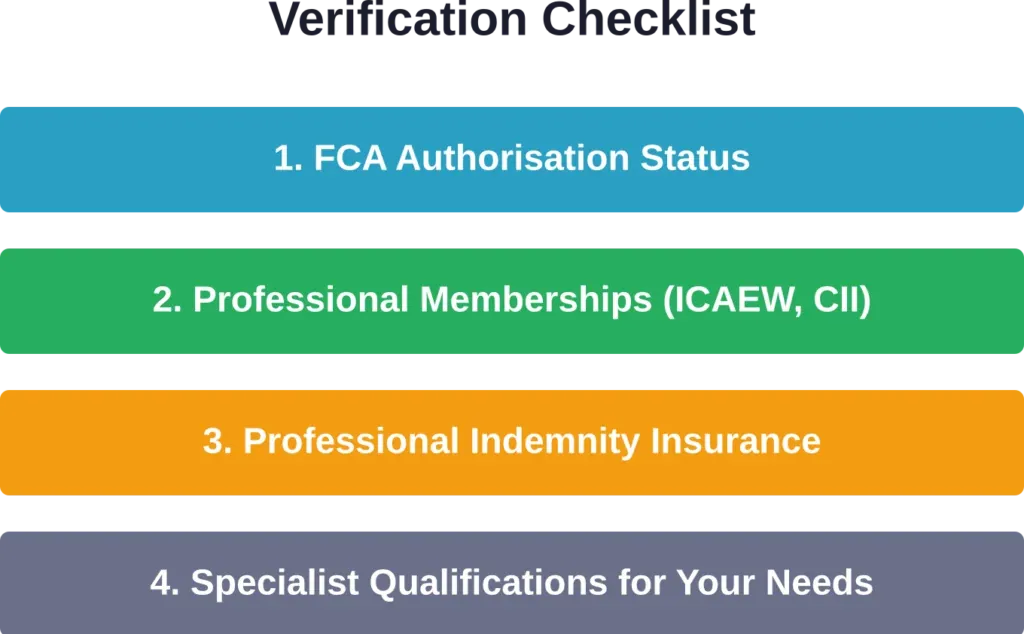
This is non-negotiable. Any firm providing regulated financial advice in the UK must be authorised by the Financial Conduct Authority (FCA). The FCA sets standards for consumer protection and monitors firm conduct.
According to FCA guidance, authorised firms accepting business from introducers must conduct proper due diligence. The regulator takes unauthorised activity seriously—working with an unauthorised firm means losing access to the Financial Ombudsman Service and the Financial Services Compensation Scheme if things go wrong.
Verifying FCA authorisation takes minutes. Visit the FCA register online and search for the firm name or reference number. The register shows what activities the firm is authorised for, any restrictions, and disciplinary history.
Look for firms authorised for the specific services needed—whether that's investment advice, pension transfers, or portfolio management. Don't assume a firm can do everything just because it has FCA authorisation.
Evaluate Professional Qualifications and Memberships
Regulatory authorisation is the baseline. Professional qualifications and memberships indicate expertise and commitment to standards.
For chartered accountants, ICAEW (Institute of Chartered Accountants in England and Wales) membership is a strong indicator. ICAEW Chartered Accountants in public practice are required to have professional indemnity insurance with prescribed minimum levels of at least £2m for most firms (or two and a half times their gross fee income for smaller firms with an income below £800,000, subject to an absolute minimum of £250,000). This isn't just a nice-to-have—it's a requirement that protects clients.
For financial advisers, look for credentials like:
- Chartered Financial Planner status
- Certified Financial Planner (CFP) designation
- Pension Transfer Specialist qualifications for pension advice
- Chartered status from professional bodies like the Chartered Insurance Institute
These qualifications require ongoing education and adherence to ethical standards. Anyone can call themselves a financial adviser, but these credentials demonstrate verified expertise.
Understand the Fee Structure Upfront
Fee transparency varies wildly across firms. Some are upfront about costs, others hide fees in complex commission structures or percentage-based charges that compound over time.
Common fee models include:
- Percentage of assets under management (AUM): Typically 0.5% to 2% annually, charged on total portfolio value
- Fixed fees: Annual retainer or per-service charges
- Hourly rates: Common for one-off advice or specific consultations
- Commission-based: The adviser earns commission from product providers (less common now due to regulatory changes)
Each model has trade-offs. Percentage-based fees align the adviser's interests with portfolio growth, but they can become expensive as assets grow. Fixed fees provide predictability but might not reflect the work involved in complex situations.
Ask these specific questions about fees:
- What is the total annual cost, including all charges?
- Are there setup or onboarding fees?
- What ongoing services are included in the annual fee?
- Are there additional charges for ad-hoc advice or reviews?
- How do fees change if asset values increase or decrease?
Community discussions among UK investors often highlight fee transparency as a deciding factor. Firms willing to provide detailed fee breakdowns in writing tend to build stronger client trust.
Assess Firm Size and Service Model
Size matters, but not in the way most people think. Large firms offer breadth and institutional stability. Small boutique firms often provide more personalised attention and flexibility.
Large wealth management firms typically have:
- Established investment processes and research teams
- Access to institutional investment opportunities
- Multiple specialists under one roof
- Higher minimum account requirements
Smaller independent firms usually offer:
- Direct access to senior advisers
- Greater flexibility in service customisation
- Lower minimum account thresholds
- More personal, long-term client relationships
Neither is inherently better. The right choice depends on circumstances. Someone with £200,000 to invest might find better service at a boutique IFA than at a large wealth manager with a £1 million minimum.
Ask firms directly about their minimum account size. Some wealth managers focus exclusively on high-net-worth clients, with many having substantial minimum account requirements. Others work with clients at earlier wealth-building stages.
Review Investment Philosophy and Approach
How a firm approaches investing matters enormously. This goes beyond generic statements about "maximising returns" or "managing risk."
Key questions to explore:
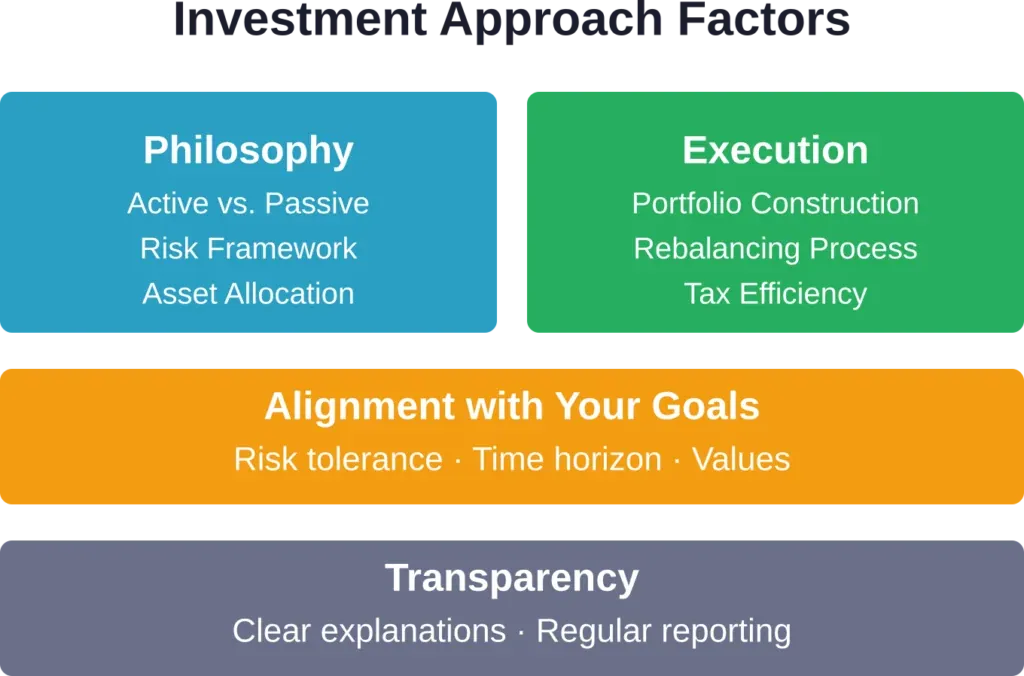
- What is the firm's investment philosophy? (Active management vs. passive indexing, for example)
- How are portfolios constructed?
- What role do alternative investments play?
- How does the firm manage risk and rebalance portfolios?
- What is the approach to tax efficiency?
The Financial Ombudsman Service notes that unsuitable investment advice is a common complaint. In one case study, an adviser recommended a client invest more than 60% of pension savings into speculative investments—far exceeding the considerations for unregulated collective investment schemes.
A firm's investment approach should align with risk tolerance and financial goals. If an adviser can't clearly explain their strategy or why specific investments suit a situation, that's a red flag.
Examine the Range of Services Offered
Financial needs rarely fit into neat boxes. Comprehensive firms offer integrated services that address multiple aspects of financial life.
Services to consider include:
- Investment management and portfolio oversight
- Retirement and pension planning
- Tax planning and efficiency strategies
- Estate planning and inheritance tax mitigation
- Protection and insurance advice
- Mortgage and lending guidance
- Business succession planning (for business owners)
A firm doesn't need to offer everything, but it should have expertise in areas relevant to specific circumstances. For business owners, a firm with strong corporate advisory capabilities might be more valuable than one focused purely on personal wealth.
Some firms provide one-off consultation services. These can be useful for specific questions without committing to ongoing management. According to industry sources, one-off investment analysis services are becoming more common, offering flexibility for those who don't want continuous advisory relationships.
Investigate Communication and Reporting Standards
Financial management is an ongoing relationship, not a one-time transaction. How a firm communicates makes a significant difference in the experience.
Ask about:
- Frequency of portfolio reviews (quarterly, semi-annual, annual)
- Format of reporting (online dashboards, printed statements, video calls)
- Accessibility of advisers between scheduled reviews
- Response time expectations for queries
- Technology platforms for account access
The Financial Conduct Authority (FCA) and the Financial Ombudsman Service require firms to provide a final response to complaints within 8 weeks (or 15 business days for payment services). But ongoing communication shouldn't feel like a complaint process. Regular, proactive updates demonstrate a firm's commitment to the relationship.
Community feedback often highlights communication as a differentiator. Firms that provide clear, jargon-free explanations and make advisers genuinely accessible tend to retain clients longer.
Consider Specialist Expertise for Unique Situations
Certain financial situations require specialist knowledge. Generic advice won't cut it for complex scenarios.
Situations that benefit from specialisation include:
- Pension transfers: Especially defined benefit to defined contribution transfers, which require FCA-mandated specialist advice
- Inheritance and estate planning: Particularly for estates above the nil-rate band
- Business exit planning: For owners planning to sell or transfer businesses
- International assets: For expats or those with cross-border financial affairs
- Charitable giving strategies: For those wanting tax-efficient philanthropic planning
The Pensions Regulator provides guidance for trustees selecting investment advisers, emphasising the importance of competitive tendering and specialist qualifications. While this guidance targets pension scheme trustees, the principles apply to individual investors seeking specialised advice.
Don't hesitate to ask firms directly about their experience with specific situations. A firm with deep pension transfer expertise might lack experience with business succession planning, and vice versa.
Review Client References and Testimonials
Reputation matters. While online reviews should be taken with a grain of salt, patterns in client feedback reveal a lot about firm culture and service quality.
Look for:
- Client testimonials on the firm's website
- Reviews on independent platforms
- Case studies demonstrating problem-solving approaches
- Disciplinary history on the FCA register
- Complaints data (firms must publish this annually)
The Financial Ombudsman Service publishes complaints data for financial firms. High complaint volumes relative to firm size can signal issues. But context matters—large firms naturally receive more complaints than small ones simply due to client volume.
If possible, ask the firm for references from clients in similar situations. Speaking directly with existing clients provides insights that public reviews can't capture.
Understand the Firm's Client Segmentation
Most successful firms specialise in particular client types. Understanding where potential clients fit in a firm's priorities helps set realistic expectations.
Questions to ask:
- What is the typical client profile? (Net worth, age, occupation)
- How many clients does each adviser manage?
- What is the minimum account size, and how close to that threshold would an account be?
- Are there different service tiers based on asset levels?
Being a small fish in a big pond isn't always ideal. A £200,000 portfolio might receive excellent attention at a firm where that's a typical client size, but minimal attention at a firm where the average client has £2 million.
Evaluate Technology and Platform Capabilities
Modern financial management increasingly relies on technology. The quality of a firm's platforms affects the ongoing experience.
Technology considerations include:
- Online portal access to view holdings and performance
- Mobile app availability
- Document storage and retrieval systems
- Electronic signature and paperless processes
- Integration with accounting software or tax platforms
Smaller firms sometimes lag in technology investment. That's not automatically a dealbreaker, especially if they excel in personal service. But clunky, outdated systems can create frustration over time.
Ask for a demonstration of client-facing technology during the selection process. This reveals both the firm's capabilities and their willingness to be transparent.
Questions to Ask During Initial Consultations
Most firms offer complimentary initial consultations. These meetings are opportunities to assess fit before committing.
Key questions to ask include:
- Can you explain your investment philosophy in plain English?
- How do you determine if a client is a good fit for your firm?
- What happens if we disagree about an investment decision?
- Who will be my primary point of contact, and what is their experience?
- How do you handle conflicts of interest?
- What happens to my account if my adviser leaves the firm?
- Can you provide a detailed fee breakdown in writing?
- How do you measure success for clients?
Pay attention to how advisers answer these questions. Clear, confident responses indicate expertise. Evasive or overly complex answers might signal issues.
Trust gut feelings too. Financial management is a long-term relationship. If something feels off during initial meetings, it probably won't improve over time.
Red Flags to Watch For
Certain warning signs should trigger caution or outright disqualification of a firm.
Red flags include:
- Lack of FCA authorisation for regulated activities
- Pressure to invest quickly or sign agreements without time to review
- Guaranteed returns or unrealistic performance promises
- Complex fee structures the firm can't explain clearly
- Reluctance to provide references or detailed credentials
- High-pressure sales tactics or focus on commissions
- Recommendations without understanding circumstances or goals
The Financial Ombudsman Service handles numerous cases involving unsuitable advice. Many stem from advisers failing to properly assess client circumstances or recommending products with conflicts of interest.
If something seems too good to be true, it probably is. Walk away from firms that raise concerns.
Making the Final Decision
After researching, meeting firms, and asking questions, it's time to decide.
Consider creating a simple comparison framework:
| Criteria | Firm A | Firm B | Firm C |
|---|---|---|---|
| FCA Authorised | Yes | Yes | Yes |
| Relevant Expertise | High | Medium | High |
| Fee Structure | 1% AUM | Fixed £3,000/yr | 0.75% AUM |
| Minimum Account | £250,000 | £100,000 | £500,000 |
| Communication | Quarterly | On-demand | Semi-annual |
| Overall Fit | Strong | Good | Excellent |
The "best" firm isn't necessarily the cheapest or the largest. It's the one that aligns with needs, values, and long-term goals.
Remember that changing advisers later is possible, though it involves some hassle. Don't let fear of making the wrong choice lead to paralysis. Choose the firm that feels right based on research and due diligence, then give the relationship time to develop.
Frequently Asked Questions
Financial advisers typically provide guidance on specific financial products and planning across various life stages. Wealth managers usually focus on high-net-worth clients and offer comprehensive portfolio management, often with higher minimum account requirements starting around £500,000 or more. Wealth managers tend to provide more holistic services including estate planning and tax strategies.
Visit the FCA register online at register.fca.org.uk and search by firm name or reference number. The register shows authorisation status, permitted activities, any restrictions, and disciplinary history. This verification takes just a few minutes and is essential before engaging any financial services provider.
Fees vary widely based on services and asset levels. Percentage-based fees commonly range from 0.5% to 2% of assets under management annually. Fixed fees might run £2,000 to £10,000 per year depending on complexity. Hourly rates for consultations vary by firm and expertise level. Always request detailed fee breakdowns including all charges before committing.
Neither is inherently better. Large firms offer institutional resources, research teams, and stability but may provide less personalised attention. Small independent firms often deliver more tailored service and flexibility but may have fewer specialists. The right choice depends on account size, service preferences, and how much direct access to senior advisers matters.
FCA-authorised firms must follow conduct rules and maintain professional indemnity insurance. If advice causes financial loss, complaints can be filed with the firm first. If unresolved, the Financial Ombudsman Service provides free dispute resolution. The Financial Services Compensation Scheme may provide compensation up to certain limits if a firm fails. These protections only apply to authorised firms.
Most firms conduct formal reviews at least annually, with many offering quarterly or semi-annual meetings. The ideal frequency depends on portfolio complexity and life circumstances. During major life changes—career transitions, inheritance, retirement—more frequent contact makes sense. Between scheduled reviews, advisers should be accessible for questions, though response time expectations should be clarified upfront.
Yes, switching advisers is entirely possible. The new firm typically handles most transfer paperwork, though there may be short-term disruption. Check existing agreements for notice periods or exit fees. Some platforms charge transfer fees, though many advisers will cover these costs to win business. Don't stay with an unsuitable adviser simply because switching seems complicated—the long-term benefits of better advice outweigh short-term hassle.
Conclusion
Choosing a financial management services company in the UK requires careful evaluation of credentials, fees, expertise, and fit. Start by verifying FCA authorisation and professional qualifications like ICAEW membership. Understand fee structures completely and ensure they align with asset levels and expected services.
Assess whether a firm's size, investment philosophy, and specialist expertise match specific needs. Check professional indemnity insurance coverage, review client testimonials, and ask probing questions during consultations. Watch for red flags like guaranteed returns or pressure tactics.
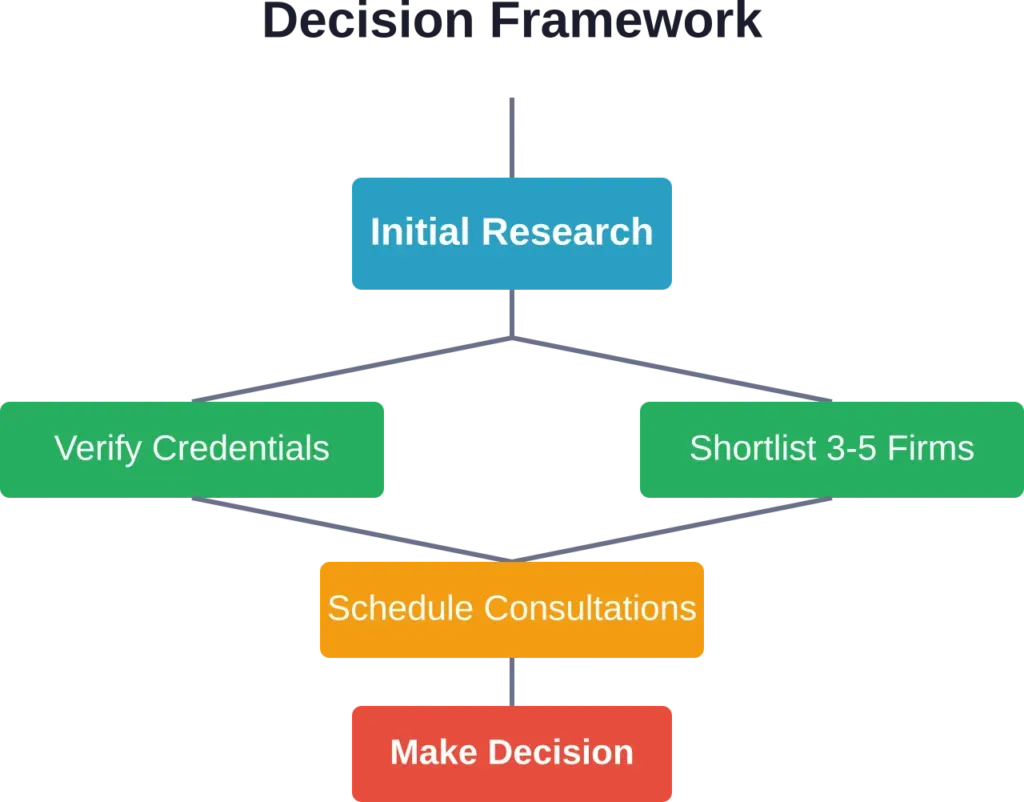
The right firm combines technical expertise with clear communication and genuine understanding of individual circumstances. Take time to research thoroughly, shortlist three to five firms, and meet each before deciding.
Financial management is a long-term partnership. Choosing wisely now sets the foundation for achieving financial goals over years and decades ahead. Start the search with clear criteria, trust the research process, and select a firm that feels right both professionally and personally.