
Choosing the right estate administration services company requires evaluating professional credentials, understanding fee structures, and assessing the complexity of the estate. For estates exceeding $13.99 million in 2025, professional administrators offer expertise in tax compliance and asset distribution. The ideal choice balances cost, experience, and the specific needs of the estate while maintaining clear communication with beneficiaries.
Settling an estate isn't something most people know how to handle. The process involves legal paperwork, tax filings, debt settlement, and asset distribution—all while grieving a loss.
That's where estate administration services come in. But here's the thing: not all administrators are created equal. Some situations call for professional help, while others can be managed by trusted family members.
Understanding which path makes sense for a specific estate can save thousands in fees and months of frustration.
Understanding Estate Administration Services
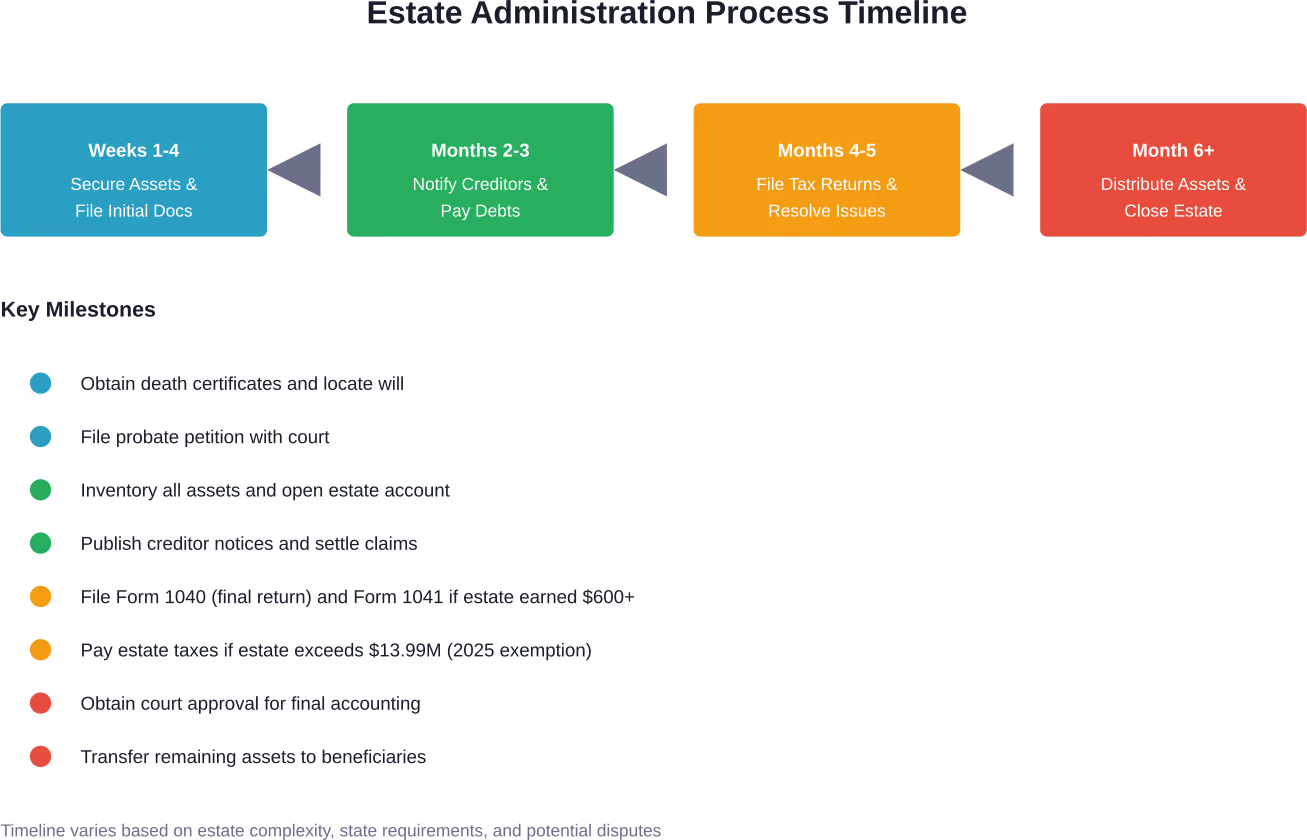
Estate administration is the legal process of managing and distributing someone's assets after death. An administrator—sometimes called an executor—handles everything from paying debts to filing tax returns to transferring property to beneficiaries.
The role demands significant time commitment. According to Northern Trust's estate administration guidance, even simple estates require approximately 10-to-15 hours most weeks for a solid four-to-six months when handled by an experienced attorney. For those without legal background, the timeline stretches considerably longer.
Estate administration services can be provided by individuals (family members or friends) or professional entities (trust companies, law firms, or specialized estate administration firms). Each option carries distinct advantages and drawbacks.
What Does an Estate Administrator Actually Do?
The administrator's responsibilities include:
- Locating and securing all estate assets
- Notifying creditors and settling valid debts
- Filing final income tax returns and estate tax returns if applicable
- Managing estate property until distribution
- Distributing assets according to the will or state law
- Maintaining detailed records of all transactions
- Communicating regularly with beneficiaries
According to the FTC, when someone dies, their debts don't simply disappear. The estate must pay valid debts from available assets before any distribution to heirs. This debt settlement process requires careful documentation and legal knowledge.
Professional vs. Family Administrator: Key Considerations
The decision between professional services and a family administrator depends on several factors. Neither option is universally better—the right choice aligns with the estate's specific circumstances.
When Professional Services Make Sense
Professional estate administrators bring expertise that becomes critical in complex situations. For estates exceeding the lifetime gift and estate tax exemption ($13.99 million per person in 2025), professional help isn't just recommended—it's practically essential.
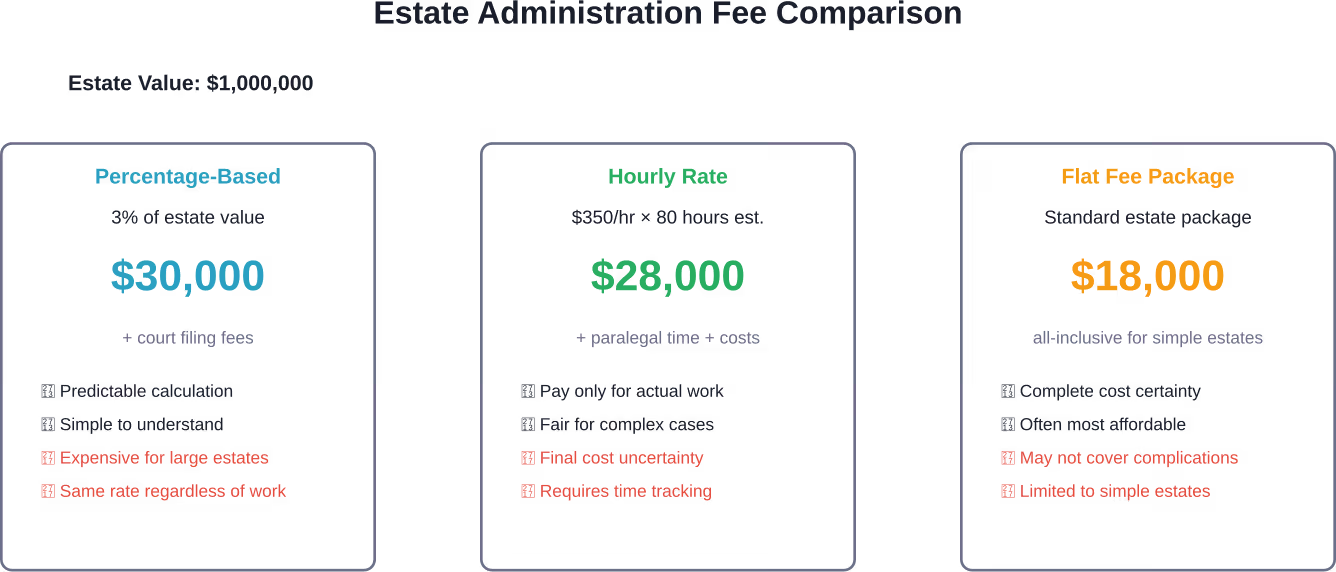
Professional services typically charge 2-5% of the estate's total value, though fees vary by region and complexity.
But wait. That seems steep, right?
The cost often proves worthwhile when the estate involves business interests, multiple properties across state lines, significant investment portfolios, or potential family disputes. Professionals navigate tax law changes, handle creditor negotiations, and maintain neutral relationships with beneficiaries.
When Family Administrators Work Well
For straightforward estates under $1 million with minimal debts and cooperative beneficiaries, a trusted family member often handles administration effectively. The estate saves substantial fees, and the personal touch can ease emotional stress.
However, according to community discussions, family administrators face challenges even in simple cases. The time commitment alone—10-15 hours weekly for months—strains people with full-time jobs. Emotional decision-making during grief can lead to costly mistakes.
| Factor | Professional Administrator | Family Administrator |
|---|---|---|
| Cost | 2-5% of estate value | Typically waives fees or takes minimal compensation |
| Expertise | Extensive legal and tax knowledge | Varies; may require professional guidance |
| Objectivity | Neutral third party | May face family pressure or conflicts |
| Time Commitment | Part of their job responsibilities | Added to personal obligations |
| Liability Protection | Professional insurance coverage | Personal liability exposure |
| Best For | Complex estates, high value, disputes | Simple estates, cooperative families |
Evaluating Professional Credentials and Experience
Not all professional estate administrators possess equal qualifications. When evaluating services companies, credentials matter significantly.
Look for professionals with specialized estate planning designations. The Accredited Estate Planner (AEP) designation from The American College requires extensive education in estate planning. Individual courses start at $2,050 and the program takes 3-6 months to complete. This credential indicates serious professional commitment.
Attorneys specializing in wills, trusts, and estates bring legal expertise that proves invaluable during probate. Many paralegal professionals also complete specialized certification in estate administration through programs like those offered by Blackstone, which includes 20 Continuing Legal Education (CLE) Hours Towards Recertification.
Questions to Ask Potential Administrators
Before selecting an estate administration services company, ask:
- How many estates have you administered in the past five years?
- What's your experience with estates similar in size and complexity to this one?
- What professional credentials and certifications do you hold?
- How do you structure fees—flat rate, hourly, or percentage?
- Who will handle day-to-day administration tasks?
- How often will you communicate with beneficiaries?
- What's your typical timeline for estate settlement?
- Do you carry errors and omissions insurance?
According to ACTEC Fellows, the right administrator demonstrates both technical competence and strong communication skills. Time, money, and family harmony all hang in the balance.

Get Estate Administration Done Right
Estate administration involves more than paperwork – it includes probate, asset valuation, tax reporting and final distribution, all of which need to be handled correctly from the start. Acumon provides probate administration services supporting executors and administrators through the full process, including probate applications, estate valuation, asset management and estate accounts.
Let Professionals Handle the Full Process
Acumon supports estate administration with:
- Probate application preparation and submission
- Estate valuation across property, investments and assets
- Asset collection, management and distribution planning
- Preparation of estate accounts and beneficiary reporting
Contact Acumon to discuss your estate administration requirements.
Understanding Fee Structures
Estate administration fees vary considerably based on geography, estate complexity, and the professional's pricing model. Three common structures exist:
- Percentage-based fees: The administrator charges a percentage of the total estate value, typically 2-5%. This aligns the administrator's compensation with estate size but can become expensive for high-value estates with relatively simple administration needs.
- Hourly fees: Attorneys and some professional administrators bill hourly, with rates ranging from $200-$500+ per hour depending on location and expertise. This model works well for estates requiring significant legal work but moderate asset values.
- Flat fees: Some firms offer flat-rate packages for straightforward estates. This provides cost certainty but may not cover unexpected complications.
Many estates use hybrid approaches—a base fee plus hourly charges for complex issues, or a percentage fee with caps.
The Role of Specialized Professionals
Complex estates often benefit from a team approach. According to ACTEC, several specialized roles work together in comprehensive estate administration:
- Estate administration attorneys handle legal matters, court filings, and provide guidance on fiduciary duties. They're essential when probate involves contested wills, creditor disputes, or business succession issues.
- Investment advisors manage estate assets during administration, ensuring proper investment of liquid funds and coordinating with executors on asset liquidation timing for tax optimization.
- Tax professionals prepare required returns and advise on tax-saving strategies. An estate must file income tax returns if it generates over $600 in annual income, using Form 1041 for estate income tax returns. The deceased's final Form 1040 requires separate filing.
- Trust companies serve as corporate trustees, offering institutional stability and continuity that individual administrators can't match. They're particularly valuable for ongoing trusts that extend beyond initial estate settlement.
Trust Administration vs. Probate Administration
Here's where things get interesting. Not all estate administration goes through probate court.
Assets held in revocable living trusts bypass probate entirely. Trust administration happens privately, without court supervision, and typically concludes faster than probate administration.
The trustee named in the trust document handles distribution according to trust terms. This provides privacy (no public court records) and often reduces costs significantly.
However, probate administration offers built-in court oversight that protects all parties. For families concerned about administrator accountability, probate's structured process provides reassurance.
Many estates involve both—trust assets administered privately while remaining assets go through probate. The estate administrator must coordinate both processes seamlessly.
Red Flags When Evaluating Services Companies
Certain warning signs indicate an estate administration company may not be the right choice:
- Guaranteeing specific timelines without reviewing estate details
- Pressure to sign contracts immediately
- Unwillingness to provide references from past clients
- Vague fee explanations or hidden cost structures
- Limited availability or poor communication during initial consultation
- No professional credentials or state licensing
- Conflicts of interest (such as wanting to purchase estate assets)
Real talk: estate administration involves significant money and legal responsibility. Thorough vetting isn't excessive—it's essential.
Making the Final Decision
After evaluating credentials, fees, and fit, the decision often comes down to comfort level and specific estate needs.
For estates involving small businesses, real estate holdings in multiple states, or beneficiaries with special needs, professional services provide specialized knowledge worth the investment.
For straightforward estates with cooperative families and values under $500,000, a capable family member supported by hourly legal consultation often works beautifully.
The middle ground—estates from $500,000 to $2 million with moderate complexity—benefits from professional involvement, even if a family co-administrator participates. This hybrid approach balances cost control with expertise.
According to available estate planning data, 44% of Americans with estate plans created them around a child's birth. Many of those plans name individuals who may not be suited to administration by the time the estate settles decades later. Regular plan reviews ensure administrator selections remain appropriate.
Taking the Next Step
Choosing estate administration services isn't a decision to rush. The right administrator protects assets, honors the deceased's wishes, and maintains family harmony during a difficult time.
Start by honestly assessing estate complexity. Review asset types, total value, potential family conflicts, and tax obligations. For estates exceeding the $13.99 million exemption or involving complicated business interests, professional services aren't optional—they're necessary protection against costly mistakes.
For simpler situations, consider whether trusted family members have the time, temperament, and willingness to serve. Even capable individuals benefit from professional consultation on legal and tax matters.
Schedule consultations with at least three potential administrators. Compare credentials, experience, fee structures, and communication styles. The administrator should provide clear explanations, transparent pricing, and demonstrate genuine understanding of the estate's unique circumstances.
Most importantly, don't delay this decision. Naming an appropriate administrator in estate planning documents—and reviewing that choice every few years—prevents crisis decision-making during grief. Whether choosing professional services or a trusted individual, advance planning ensures estate administration proceeds smoothly when the time comes.
Frequently Asked Questions
Professional estate administration services generally charge 2-5% of the total estate value, though fee structures vary. For a $1 million estate, expect costs between $20,000-$50,000. Hourly attorney fees range from $200-$500+ per hour. Flat-rate packages for simple estates may cost $5,000-$25,000 depending on complexity and location.
Yes, family members can serve as administrators for straightforward estates. However, the role demands 10-15 hours weekly for four to six months minimum, according to ACTEC Fellows. Administrators must understand legal requirements, tax filing deadlines, and fiduciary responsibilities. Professional consultation is recommended even when family members serve as primary administrators.
Professional administrators should hold relevant credentials such as the Accredited Estate Planner (AEP) designation, law degrees with estate planning specialization, or certified paralegal training in trusts and estates. Beyond credentials, look for demonstrated experience with estates similar in size and complexity to yours, clear communication skills, and professional liability insurance.
Simple estates typically settle within 6-12 months. Complex estates involving business interests, tax disputes, or contested distributions can take 18-36 months or longer. Probate court schedules, creditor claim periods, and tax filing deadlines all influence timelines. Trust administration without probate often concludes faster than court-supervised probate administration.
According to the FTC, when an estate lacks sufficient assets to pay all debts, state law determines payment priority. Typically, funeral expenses and estate administration costs come first, followed by taxes, then secured debts, and finally unsecured creditors. Family members don't inherit debt—if estate assets are exhausted, remaining debts generally go unpaid unless someone co-signed the obligation.
Not necessarily. The executor handles probate assets while the trustee manages trust assets. For estates with both probate and trust components, naming the same individual or institution to both roles ensures coordination. However, different skills suit each role—executors need probate navigation skills while trustees require long-term investment management abilities.
The deceased's final Form 1040 must be filed by the normal tax deadline in the year following death. If the estate generates $600 or more in income during administration, Form 1041 estate income tax returns are required. Estates exceeding $13.99 million (2025 exemption amount) must file Form 706 estate tax returns within nine months of death, though extensions are available.