
Choosing the right corporate governance services company requires evaluating their expertise in board effectiveness, regulatory compliance, and risk management. Look for providers with proven track records, relevant industry experience, transparent methodologies, and the ability to tailor solutions to your organization's specific needs. The best governance partners combine technical knowledge with practical implementation support.
Corporate governance has evolved from a compliance checkbox into a strategic imperative. Organizations now face mounting pressure from regulators, investors, and stakeholders to demonstrate robust oversight, ethical decision-making, and sustainable business practices.
But here's the challenge: building an effective governance framework internally demands specialized expertise that many organizations simply don't have in-house. That's where corporate governance services companies come in.
The right governance partner can transform how your board operates, strengthen risk management, and position your organization for long-term success. The wrong choice? That can mean wasted resources, misaligned priorities, and governance gaps that expose your company to unnecessary risk.
This guide breaks down exactly what to look for when evaluating corporate governance services providers.
Understanding Corporate Governance Services
Corporate governance services encompass a range of consulting and advisory offerings designed to help organizations establish, evaluate, and improve their governance structures. According to SEC filings, effective corporate governance guidelines assist boards in exercising their responsibilities while serving the best interests of shareholders and stakeholders.
These services typically include board evaluations, governance audits, policy development, regulatory compliance support, and strategic advisory. The scope can vary dramatically based on organizational needs.
Core Service Categories
Governance service providers generally offer expertise across several key areas:
- Board effectiveness assessments that evaluate how well directors fulfill their oversight responsibilities
- Governance framework development including policies, charters, and procedural guidelines
- Regulatory compliance support to navigate evolving legal and reporting requirements
- Risk management oversight helping boards identify and monitor enterprise risks
- ESG integration aligning environmental, social, and governance priorities with business strategy
The Conference Board research indicates that board evaluation processes are evolving beyond compliance-oriented exercises. According to data from Russell Reynolds Associates, 52% of S&P 500 companies conducted a combination of full board, committee, and individual director evaluations.
Why External Governance Expertise Matters
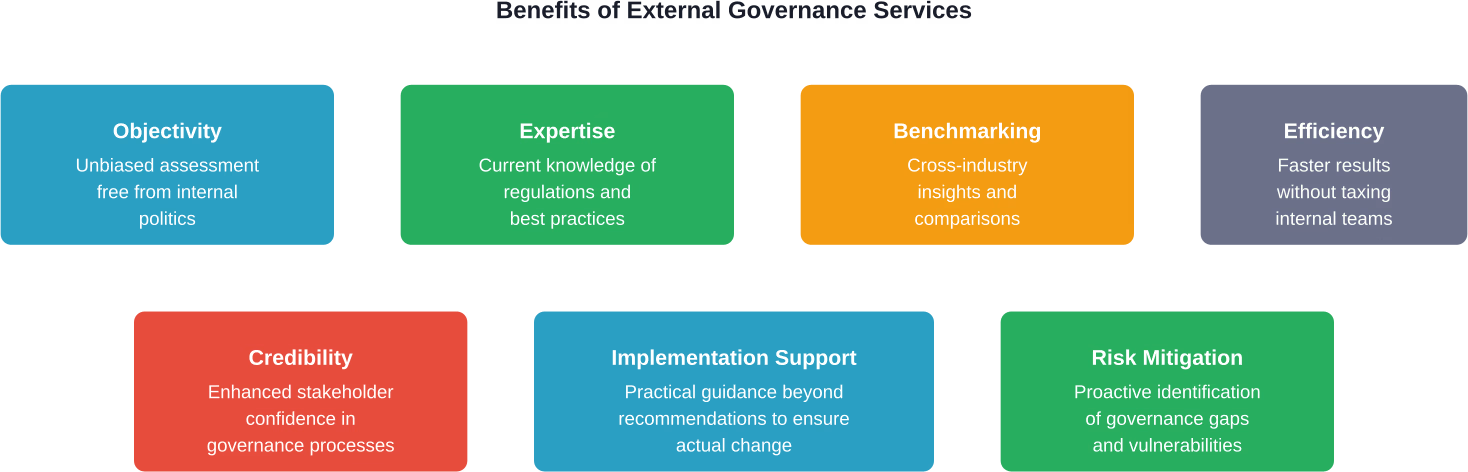
Organizations turn to external governance consultants for several compelling reasons. The most obvious? Objectivity.
Internal teams often lack the detachment needed to critically assess governance effectiveness. According to research published by Columbia Law School, chief audit executives occupy a unique position to evaluate corporate governance, but they face inherent conflicts reporting to both management and the audit committee.
External consultants bring fresh perspectives unburdened by organizational politics. They've also seen governance structures across multiple companies and industries, providing comparative insights that internal teams simply can't access.
Specialized Knowledge and Current Expertise
Governance regulations and best practices change constantly. Keeping pace demands dedicated attention that few organizations can justify internally.
Professional governance consultants maintain current knowledge of regulatory developments, emerging risks, and evolving stakeholder expectations. This specialized expertise becomes particularly valuable during periods of significant change—mergers, leadership transitions, regulatory shifts, or crisis management.
Essential Evaluation Criteria
Not all governance service providers deliver equal value. Selecting the right partner demands careful evaluation across multiple dimensions.
Industry Experience and Track Record
Start by examining the provider's experience within your specific industry context. Governance challenges facing a publicly traded technology company differ substantially from those confronting a private equity-backed manufacturer or a family-owned enterprise.
Look for providers who understand your regulatory environment, competitive pressures, and stakeholder expectations. Ask for case studies demonstrating relevant experience.
The Conference Board emphasizes how governance structures must align with business strategy and industry context. Generic solutions rarely address organization-specific needs effectively.
Methodology and Approach
Effective governance consultants should articulate clear methodologies for their work. How do they conduct board evaluations? What frameworks guide their governance audits? How do they gather information and formulate recommendations?
According to research from Russell Reynolds Associates, the most effective board evaluations move beyond compliance toward genuine performance enhancement. Evaluation approaches should be systematic, not ad hoc.
Red flags include vague descriptions of process, one-size-fits-all templates, or inability to explain how they tailor approaches to specific client contexts.
Qualifications and Credentials
Examine the backgrounds of consultants who'll actually work with your organization. What governance roles have they held? Do they have board experience themselves? What relevant certifications or professional credentials do they maintain?
Strong governance consultants often come from backgrounds as former executives, board members, regulators, or senior advisors. They bring practical experience, not just theoretical knowledge.
Key Questions to Ask Potential Providers
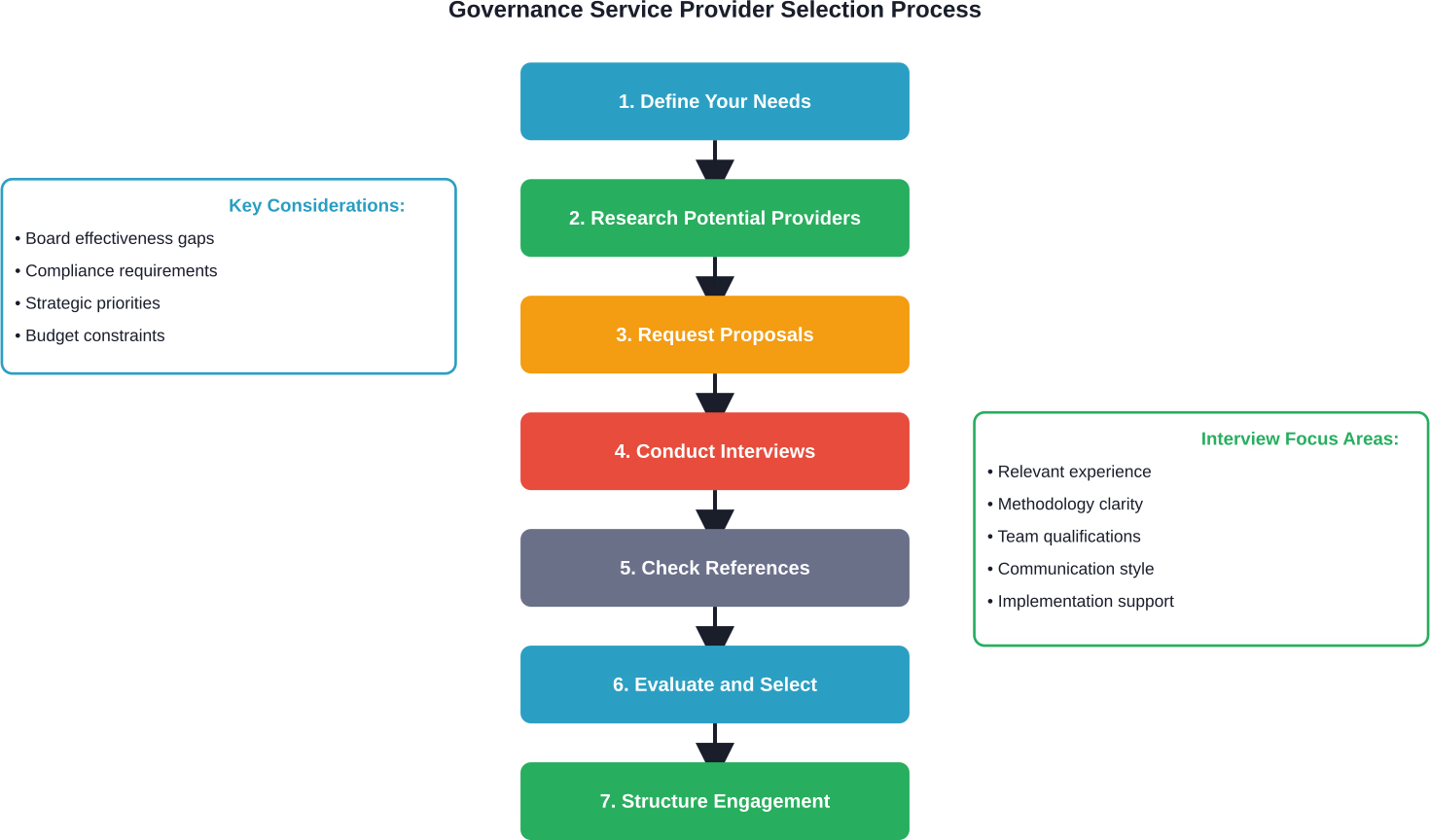
The selection process should include structured conversations with potential governance partners. Here are critical questions that reveal provider capabilities and fit.
About Their Experience
- What governance engagements have you completed for organizations similar to ours in size, structure, and industry?
- Can you provide references from recent clients facing comparable governance challenges?
- What's your experience working with our specific regulatory framework?
- Have you worked with organizations at our stage of development or ownership structure?
About Their Methodology
- Walk us through your typical engagement process from start to finish.
- How do you gather information and assess current governance effectiveness?
- What frameworks or standards guide your recommendations?
- How do you ensure recommendations are practical and implementable, not just aspirational?
- How do you measure success and engagement outcomes?
About Team and Resources
- Who specifically will work on our engagement, and what are their qualifications?
- What's the expected time commitment from our team?
- Do you have specialized expertise in areas like ESG, risk management, or regulatory compliance?
- How do you stay current on governance trends and regulatory changes?
| Evaluation Factor | What to Look For | Red Flags |
|---|---|---|
| Industry Experience | Documented work with similar organizations, relevant case studies, understanding of sector-specific regulations | Generic experience claims, no relevant case studies, unfamiliarity with your regulatory environment |
| Methodology | Clear, systematic approach; customizable frameworks; evidence-based recommendations | Vague process descriptions, rigid templates, inability to explain how they adapt to client needs |
| Team Qualifications | Former executives or board members, relevant certifications, practical governance experience | Junior staff on critical work, purely academic backgrounds without practical experience |
| Communication | Clear explanations, responsive to questions, transparent about limitations and costs | Jargon-heavy responses, evasiveness about process or pricing, overpromising results |
| Implementation Support | Practical guidance for executing recommendations, change management expertise, ongoing support options | Report-only deliverables, no follow-up support, lack of implementation planning |

Get Corporate Governance Support That Holds Up
Corporate governance involves managing statutory requirements, filings and ongoing compliance obligations across an organisation. Acumon supports organisations through company secretarial, audit and assurance services, helping maintain compliance with regulatory requirements and reporting obligations.
Keep Governance and Compliance On Track
Acumon works with organisations on:
- Company secretarial services, including filings and statutory compliance
- Support with ongoing governance and compliance requirements
- Assistance with maintaining reporting and compliance obligations
Reach out to Acumon to review your governance setup.
Understanding Different Service Models
Corporate governance services come in various shapes and sizes. Understanding the distinctions helps match provider capabilities with organizational needs.
Comprehensive Governance Advisory
Some firms offer end-to-end governance support covering everything from board composition and structure to risk oversight and stakeholder engagement. These providers typically work with larger organizations or those undergoing significant governance transformations.
Comprehensive advisory relationships often involve ongoing engagement rather than one-time projects. The provider becomes a trusted partner supporting the board through multiple cycles and challenges.
Specialized Board Evaluation Services
Many organizations need periodic independent board evaluations. Specialized providers focus exclusively on assessment methodologies, combining surveys, interviews, and observations to evaluate board effectiveness.
Research from Russell Reynolds Associates indicates that board evaluation practices are maturing. Rather than simple satisfaction surveys, leading evaluations now examine specific governance competencies, decision-making processes, and value creation.
Regulatory Compliance Consulting
Some governance consultants specialize in helping organizations navigate complex regulatory requirements. This becomes particularly valuable for companies facing new reporting obligations, changing industry regulations, or expanding into new jurisdictions.
According to SEC guidelines, companies must establish governance frameworks that ensure regulatory compliance while supporting business objectives. Specialized compliance consultants help translate regulatory requirements into practical governance structures.
Technology-Enabled Governance Solutions
An emerging category combines consulting services with governance technology platforms. These providers offer software tools for board communications, document management, and meeting administration alongside strategic advisory services.
Technology-enabled solutions can improve governance efficiency, but the technology should support—not replace—strategic expertise and human judgment.
Evaluating Provider Independence and Objectivity
Independence matters enormously in governance consulting. Conflicts of interest can compromise the objectivity that makes external consultants valuable in the first place.
Be wary of governance consultants who also provide other services to your organization. For example, a firm conducting your financial audit shouldn't also evaluate your board's effectiveness. The potential for conflicts becomes too significant.
Similarly, governance consultants who've recently placed executives or directors at your organization may face credibility questions. How objective can their board evaluation be if they recommended several current board members?
Transparency About Relationships
Strong governance consultants proactively disclose any relationships, past engagements, or potential conflicts. They understand that their value depends on stakeholder confidence in their independence.
Ask directly about other services the firm provides and whether they have business relationships with your organization beyond the proposed governance engagement.
Cost Considerations and Pricing Models
Governance consulting fees vary widely based on engagement scope, provider credentials, and service models. Understanding typical pricing approaches helps budget appropriately and compare proposals.
Common Pricing Structures
Most governance consultants use one of several pricing models:
- Project-based fees establish a fixed price for defined deliverables. This works well for bounded engagements like annual board evaluations or policy development projects.
- Hourly or daily rates provide flexibility for open-ended advisory work. Rates typically range based on consultant seniority and firm reputation, though specific current pricing should be confirmed directly with providers.
- Retainer arrangements involve ongoing relationships where the consultant provides continuous advisory support for a regular fee.
Evaluating Value, Not Just Cost
The lowest-cost provider rarely delivers the best value. Effective governance consulting should generate returns through improved decision-making, risk mitigation, and enhanced stakeholder confidence.
When comparing proposals, evaluate the comprehensiveness of the approach, qualifications of consultants actually doing the work, and extent of implementation support—not just the bottom-line fee.
Implementation and Follow-Through
Even brilliant governance recommendations create no value if they sit unimplemented. The best consultants don't just deliver reports—they support actual change.
Ask potential providers how they approach implementation. Do they provide change management support? Will they help communicate recommendations to stakeholders? Can they assist with drafting revised policies or governance documents?
Some consultants offer phased engagements: initial assessment and recommendations followed by optional implementation support. This allows organizations to control costs while ensuring access to expertise during execution.
Measuring Engagement Success
Establish clear success metrics before engagement begins. What specific improvements or outcomes does the organization seek? How will progress be measured?
Success metrics might include enhanced board meeting effectiveness, improved risk oversight, strengthened compliance processes, or better stakeholder communication. Defining these upfront creates accountability and helps assess return on investment.
Red Flags to Avoid
Certain warning signs should prompt serious reconsideration of a governance services provider:
- Lack of relevant experience: Providers without demonstrated expertise in your industry, organizational structure, or governance challenges will struggle to add real value.
- Overpromising results: Governance improvement takes time and sustained effort. Be skeptical of consultants who promise dramatic transformations or guaranteed outcomes.
- Rigid, one-size-fits-all approaches: Effective governance must align with specific organizational contexts. Templates and standardized solutions rarely address unique needs adequately.
- Poor communication: If a consultant can't explain their approach clearly during the sales process, they likely won't communicate effectively during the engagement.
- Resistance to references: Reluctance to provide client references suggests either limited experience or dissatisfied clients.
- Conflicts of interest: As discussed earlier, compromised independence undermines the fundamental value proposition of external governance consulting.
| Provider Characteristic | Positive Indicators | Warning Signs |
|---|---|---|
| Experience | Specific relevant case studies, references from similar organizations, demonstrated subject matter expertise | Generic claims without supporting evidence, no relevant industry experience, inability to discuss comparable engagements |
| Approach | Customizable methodology, collaborative process, evidence-based recommendations | Rigid templates, report-only deliverables, disconnection between assessment and recommendations |
| Communication | Clear explanations, responsive interactions, transparent about process and limitations | Jargon without clarity, slow responses, vagueness about methodology or timeline |
| Pricing | Transparent fee structures, clear scope definitions, reasonable value for proposed work | Reluctance to discuss costs, significant unexplained price variations, unclear scope boundaries |
| Independence | Proactive disclosure of relationships, clear conflict policies, no competing business interests | Multiple service relationships, recent executive placements, defensive responses to independence questions |
Making the Final Decision
After evaluating proposals and conducting interviews, the selection decision typically comes down to fit across multiple dimensions.
Consider creating a simple scoring framework that weights the factors most important to your organization. This might include relevant experience, methodology strength, team qualifications, cost, and cultural fit.
Don't underestimate cultural alignment. Governance consulting requires close collaboration with board members and senior leadership. The consultant's style, communication approach, and values should mesh with organizational culture.
Structuring the Engagement
Once a provider is selected, invest time in thoughtful engagement structuring. Clear scope definition, timeline expectations, communication protocols, and success metrics prevent misunderstandings and disappointment.
According to SEC governance guidelines, boards benefit from establishing clear processes and expectations. The same principle applies to governance consulting engagements.
Consider starting with a defined pilot project before committing to broader engagement. This allows both parties to assess working relationship effectiveness with limited risk.
Ongoing Governance Partner Relationships
Many organizations find value in maintaining ongoing relationships with governance advisors rather than treating each engagement as a one-off transaction.
Continuous relationships allow consultants to develop deeper organizational understanding, provide more tailored advice, and support governance evolution over time. The consultant becomes familiar with board dynamics, strategic priorities, and organizational culture in ways that enhance their value.
That said, even ongoing relationships benefit from periodic reassessment. Organizational needs change. Governance challenges evolve. The consultant who provided excellent support three years ago may no longer be the best fit for current priorities.
Conclusion
Selecting the right corporate governance services company isn't a decision to rush. The right partner can strengthen your board's effectiveness, enhance stakeholder confidence, and position your organization for sustainable success. The wrong choice wastes resources and may leave critical governance gaps unaddressed.
Focus your evaluation on relevant experience, clear methodology, team qualifications, and demonstrated independence. Ask tough questions about approach, implementation support, and success measurement. Check references carefully and don't let cost alone drive the decision.
Remember that governance consulting should create lasting improvements, not just deliverables. The best providers combine technical expertise with practical implementation support that helps organizations actually improve their governance practices.
Start by clearly defining what your organization needs from a governance partner. Use the evaluation criteria and questions outlined in this guide to assess potential providers systematically. And prioritize finding a consultant who understands your specific context and can tailor their approach to your unique needs.
Strong corporate governance protects stakeholders, supports strategic decision-making, and creates sustainable value. Investing in the right expertise to strengthen your governance framework pays dividends for years to come.
Frequently Asked Questions
Governance consulting focuses on evaluating and improving how boards function—their processes, structures, and effectiveness. Board recruitment services help identify and place individual directors. While some firms offer both services, they're fundamentally different functions. Organizations should generally separate these services to avoid conflicts of interest, as a firm shouldn't evaluate board effectiveness if they placed many of the directors being assessed.
Best practice typically involves annual board self-evaluations with external facilitation every two to three years. According to research from Russell Reynolds Associates, 52% of S&P 500 companies conducted a combination of full board, committee, and individual director evaluations. The frequency depends on organizational circumstances—companies experiencing significant change, governance challenges, or stakeholder pressure may benefit from more frequent external assessments.
Absolutely. While governance consulting is often associated with public companies facing regulatory requirements, private companies increasingly recognize governance's strategic value. Strong governance structures help private companies attract investment, prepare for growth, manage family business transitions, and improve decision-making. Many governance consultants work specifically with private companies and tailor their approaches to organizations without public company regulatory burdens.
Comprehensive proposals should outline the engagement scope, specific deliverables, methodology and approach, timeline, team members and their qualifications, fee structure, and success metrics. Strong proposals demonstrate understanding of your specific context and challenges rather than offering generic solutions. They should explain how the consultant will gather information, analyze findings, develop recommendations, and support implementation.
ROI measurement should align with engagement objectives. Quantitative metrics might include reduced compliance incidents, improved meeting efficiency, or enhanced director retention. Qualitative measures could involve stakeholder confidence surveys, assessment of decision-making quality, or evaluation of board culture improvements. The key is establishing baseline measurements before engagement begins and tracking specific improvements over time. Many organizations find governance consulting's greatest value comes from preventing problems rather than solving them—making ROI measurement inherently challenging but still important.
Generally speaking, organizations should separate audit and governance consulting services to preserve auditor independence. SEC guidelines and professional standards emphasize the importance of auditor objectivity. Having the same firm audit financial statements and evaluate board effectiveness creates conflicts that can compromise both functions. Most governance experts recommend engaging separate providers for these distinct services.
Priority depends on organizational circumstances, but most companies benefit from focusing first on board effectiveness fundamentals: clear roles and responsibilities, effective meeting processes, appropriate committee structures, and robust risk oversight. Research from Columbia Law School indicates that companies often benefit from evaluating how governance practices actually work in their specific context rather than simply adopting widely-recommended practices. Start with areas where gaps create the most significant risk or where improvements would have the greatest strategic impact.