
Co-sourced internal audit services combine an organization's in-house audit team with external specialized expertise to address resource gaps, emerging risks, and complex compliance requirements. This hybrid model provides flexibility and cost efficiency while maintaining institutional knowledge, making it ideal for organizations facing capacity constraints, evolving regulatory demands, or specialized technical challenges like cybersecurity and IT audits.
Internal audit functions face mounting pressure from all sides. Regulatory requirements keep expanding. Technology risks multiply. Budgets stay flat or shrink. And the expectation to deliver comprehensive risk coverage? That never goes away.
For many organizations, the answer isn't choosing between building an internal team or outsourcing entirely. There's a middle path that's gaining serious traction: co-sourcing.
According to The IIA's 2024 North American Pulse of Internal Audit, 60% of all audit functions use outsourcing or co-sourcing to cover assurance gaps—particularly technology-related areas like cybersecurity and IT. But here's the catch: only 32% of the smallest internal audit functions use sourcing. That's a massive missed opportunity.
What Is a Co-Sourced Internal Audit?
Co-sourcing means bringing external audit specialists to work alongside the existing internal audit team. It's not about replacing the function entirely. Instead, it fills specific gaps in expertise, capacity, or technical knowledge.
Think of it as strategic reinforcement rather than total replacement.
The internal team maintains control over audit planning, stakeholder relationships, and organizational knowledge. External partners contribute specialized skills, industry best practices, and additional bandwidth when workloads spike or complex projects emerge.
This hybrid approach addresses a fundamental challenge: small internal audit functions—often just nine or fewer internal auditors—must confront the same organizational risks as large, sophisticated teams. They are expected to conform with The IIA's Global Internal Audit Standards. But they don't have the same resources.
Co-Sourcing vs. Outsourcing: Understanding the Difference
The terminology can get confusing, so let's clear it up.
| Aspect | Co-Sourcing | Full Outsourcing |
|---|---|---|
| Internal Team | Retained and actively involved | Minimal or eliminated |
| Control | Organization maintains oversight | External provider manages function |
| Institutional Knowledge | Preserved through internal staff | Risk of knowledge loss |
| Flexibility | Scale resources up or down as needed | Typically fixed engagement scope |
| Cost Structure | Pay for specific expertise and hours | Comprehensive service agreement |
| Best For | Organizations with existing audit staff | Organizations with no internal function |
Outsourcing makes sense when there's no internal audit function at all, or when leadership decides to eliminate it entirely. Co-sourcing works when there's already a team in place but they need support for specialized audits, peak periods, or knowledge areas beyond their current expertise.
Why Organizations Turn to Co-Sourcing
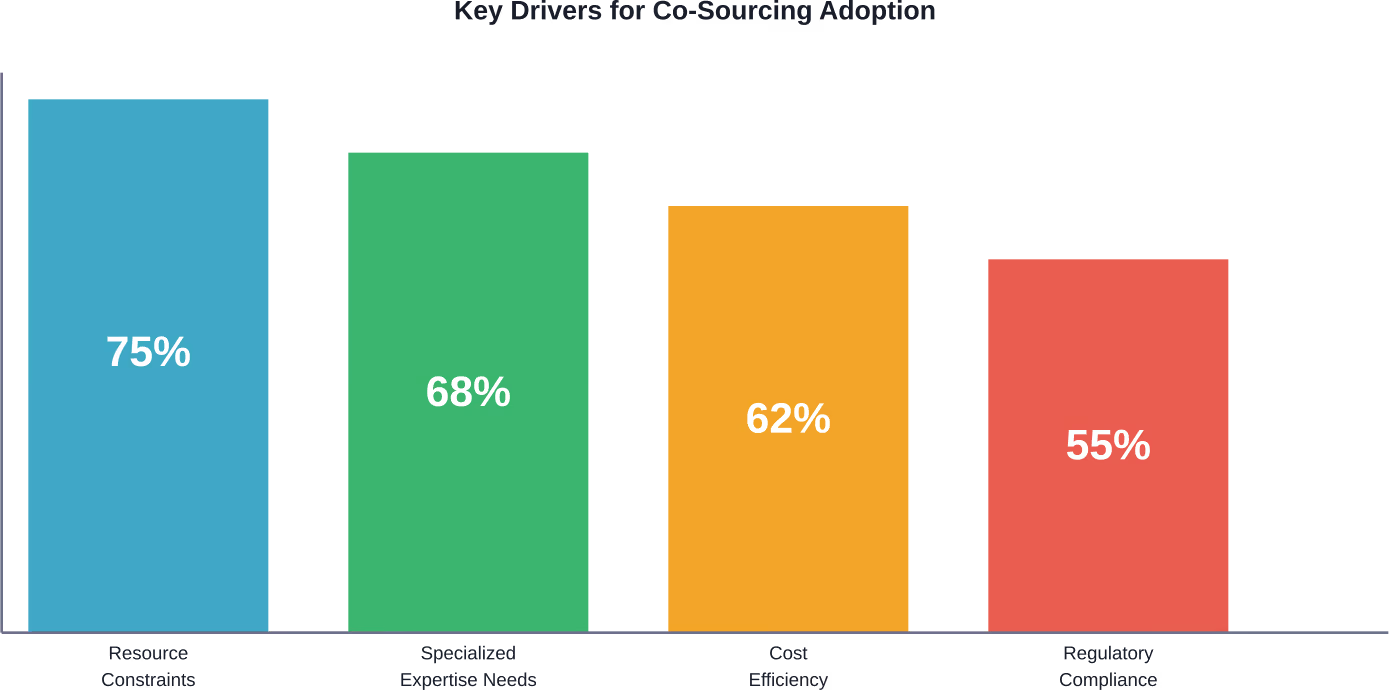
The drivers behind co-sourcing adoption are practical and immediate.
Resource Constraints and Capacity Issues
Hiring full-time specialists for every potential audit area isn't realistic. A cybersecurity expert. A data analytics specialist. Someone who understands complex financial instruments. That's three highly paid positions that might only be needed part of the year.
Co-sourcing provides access to these experts on demand. The organization pays for expertise when it's needed, not year-round.
Emerging and Complex Risks
Technology evolves faster than most internal teams can keep pace with. Cloud security, blockchain applications, artificial intelligence systems—these create audit challenges that traditional auditors weren't trained to handle.
External partners bring current expertise in these specialized areas. They audit these technologies across multiple clients and stay current on emerging threats and best practices.
Regulatory Changes and Compliance Demands
New regulations hit different industries at different times. Financial institutions face one set of requirements. Healthcare organizations face another. Educational institutions have their own compliance landscape.
When regulations change, co-sourcing partners can provide immediate expertise without waiting for internal staff to get up to speed through training and certification.
Cost Efficiency
Organizations using co-sourcing or outsourcing models report potential cost flexibility, but direct savings vary significantly. The efficiency comes from multiple factors: experienced auditors complete work faster, specialized tools and methodologies reduce redundant effort, and organizations avoid the overhead costs of full-time specialized positions.
How Co-Sourcing Works in Practice
Implementation varies based on organizational needs, but successful co-sourcing arrangements share common elements.
The Coordinated Approach
The Chief Audit Executive maintains overall responsibility for the audit function. They develop the annual audit plan, prioritize risks, and manage relationships with the audit committee and senior leadership.
External partners integrate into this framework. They don't operate independently—they work as an extension of the internal team, following established methodologies and reporting structures.
Regular communication keeps everyone aligned. Weekly status calls, shared project management platforms, and coordinated reporting ensure seamless collaboration.
Breadth and Depth of Skills
Internal teams typically develop deep knowledge of the organization—its culture, processes, politics, and history. That institutional knowledge is invaluable.
External partners bring technical depth in specialized areas. They've seen how different organizations handle similar challenges. They know what works, what doesn't, and why.
The combination creates a more robust audit capability than either approach alone could deliver.
Flexibility and Scalability
Audit needs aren't constant throughout the year. Some quarters are heavier than others. Certain projects require sudden surges of effort.
Co-sourcing arrangements can scale up or down based on demand. Need three auditors for a complex system implementation review? They're available. Lighter quarter ahead? Scale back to just occasional support.
This flexibility prevents the feast-or-famine staffing challenges that plague many internal audit functions.
Success Factors and Implementation Considerations
Co-sourcing isn't automatic success. Like any strategic initiative, it requires thoughtful planning and ongoing management.
| Success Factor | Why It Matters |
|---|---|
| Clear scope definition | Prevents overlap and confusion about responsibilities |
| Cultural fit assessment | External partners must work effectively within organizational norms |
| Knowledge transfer protocols | Ensures expertise flows both directions, building internal capability |
| Quality standards alignment | External work must meet internal standards and expectations |
| Regular performance reviews | Maintains accountability and identifies improvement opportunities |
Integration With Leadership
The most common stumbling block? Poor integration between internal staff and external partners.
When external auditors operate in isolation, they miss organizational context. Their findings might be technically accurate but practically tone-deaf. Recommendations don't align with organizational realities.
Successful co-sourcing requires deliberate integration. External auditors attend key meetings. They build relationships with stakeholders. They understand not just what they're auditing, but why it matters to the organization.
Selecting the Right Partner
Not all co-sourcing providers are created equal. Financial services institutions use co-sourcing with careful partner selection.
Key selection criteria include:
- Relevant industry experience and specialized certifications
- Demonstrated methodology and quality control processes
- References from organizations with similar needs
- Compatible technology platforms and tools
- Clear communication about pricing, scope, and deliverables
- Cultural alignment with organizational values
The cheapest option rarely delivers the best value. Focus on capability, fit, and track record rather than just hourly rates.

Strengthen Your Internal Audit Now
Co-sourced internal audit is often used when internal teams can’t keep up with audit plans, regulatory expectations, or growing structures. Instead of fully outsourcing, organisations bring in external auditors to work alongside their team. Acumon is a London-founded firm of chartered accountants, auditors and advisors with a UK-based team of professionals. The firm supports organisations ranging from charities to regulated entities and international groups. Internal audit sits within a broader audit, risk, and governance offering, with work delivered using a structured, risk-based methodology and direct involvement from senior audit professionals throughout the engagement.
Extend Internal Audit Where It’s Needed
Acumon adds capability without replacing internal control:
- Additional audit resource to support delivery of audit plans
- Access to senior audit professionals with regulatory experience
- Experience working with multi-entity and international structures
- Flexible support that integrates with internal audit teams
Contact Acumon and strengthen your internal audit team without delays.
Common Challenges and How to Address Them
Even well-planned co-sourcing arrangements face obstacles. Here's what to watch for.
Communication Gaps
When internal and external teams don't communicate effectively, work gets duplicated, critical information gets missed, and deliverables suffer.
Solution: Establish regular touchpoints, use shared documentation platforms, and assign clear points of contact for each project.
Quality Inconsistency
External partners might use different methodologies or documentation standards than the internal team uses.
Solution: Provide external partners with templates, checklists, and quality standards before work begins. Review deliverables early in the engagement to catch misalignments before they become problems.
Knowledge Retention Issues
If external partners handle specialized audits year after year, internal staff might never develop those capabilities.
Solution: Require knowledge transfer as part of each engagement. Have internal staff shadow external auditors. Document methodologies and findings in ways that build internal expertise over time.
When Co-Sourcing Makes the Most Sense
Co-sourcing isn't the right answer for every organization. But it fits particularly well in several scenarios.
Small to mid-sized organizations with limited internal audit staff benefit significantly. They gain access to specialized expertise without the overhead of full-time hires.
Organizations facing rapid growth or significant change use co-sourcing to handle increased audit demands without permanent staffing increases.
Highly regulated industries—financial services, healthcare, public higher education—leverage co-sourcing to maintain compliance when regulations evolve faster than internal training can keep pace.
Organizations implementing new technologies or business models bring in co-sourcing partners who've already audited similar implementations elsewhere.
Moving Forward With Co-Sourcing
Internal audit functions can't stand still. Risks evolve. Technologies advance. Regulations change. Organizations that built their audit capabilities five years ago find those capabilities insufficient today.
Co-sourcing provides a flexible, cost-effective path to maintaining comprehensive risk coverage without the overhead and inflexibility of large internal teams.
The hybrid model combines the best of both worlds: internal staff who understand organizational culture and history, paired with external specialists who bring current expertise and cross-industry perspective.
For organizations struggling with resource constraints, emerging risks, or specialized audit needs, co-sourcing deserves serious consideration. It's not about admitting defeat or compromising quality. It's about strategically deploying resources where they'll have the greatest impact.
Start by assessing current gaps in audit coverage. Where does the internal team lack expertise? What audits get delayed or skipped due to capacity constraints? Which risks keep leadership awake at night but don't get adequate audit attention?
Those gaps represent co-sourcing opportunities. The right partner can fill them effectively, transferring knowledge to internal staff while delivering immediate value through specialized expertise and additional capacity.
Ready to explore how co-sourcing could strengthen internal audit function? Assess current capabilities, identify priority gaps, and start conversations with potential partners who understand the industry and risk profile.
Frequently Asked Questions
Co-sourcing means external specialists work alongside an existing internal audit team, supplementing their capabilities. Outsourcing replaces the internal function entirely with an external provider. Co-sourcing maintains internal staff and organizational knowledge while adding external expertise for specific areas or projects.
Organizations using co-sourcing or outsourcing models report potential cost flexibility compared to building equivalent internal capacity. The exact savings depend on the scope of work, frequency of engagement, and complexity of audits. Check with service providers for current pricing based on specific organizational needs.
No. Co-sourcing actually preserves organizational knowledge better than full outsourcing because internal staff remain involved. The key is ensuring regular communication and knowledge transfer protocols so internal teams learn from external partners rather than becoming dependent on them.
Technology-related audits—cybersecurity, IT controls, data analytics—are most commonly co-sourced because they require specialized technical expertise. Other common areas include regulatory compliance audits, operational reviews requiring industry-specific knowledge, and special investigations that demand sudden resource surges.
The Chief Audit Executive maintains overall independence by controlling audit planning, scope, and reporting. External partners must follow the same independence requirements as internal staff. Establish clear protocols about reporting relationships, conflict checks, and stakeholder interactions before engagements begin.
Yes. According to The IIA, all internal audit functions are expected to conform with The IIA's Global Internal Audit Standards regardless of size. Co-sourcing provides small functions access to expertise, tools, and best practices that help meet these standards without requiring unsustainable internal hiring.
Implementation timelines vary based on organizational complexity and partner selection processes. Generally, expect 2-3 months from initial needs assessment through partner selection and integration. First audits can typically begin within 60-90 days of deciding to pursue co-sourcing, depending on availability and scope definition.