
Charity internal audit services help nonprofit organizations maintain financial integrity, ensure regulatory compliance, and strengthen governance through independent review of operations and controls. These services identify risks, prevent fraud, improve efficiency, and build donor trust by providing objective assessments of organizational processes and financial management.
Nonprofit organizations face mounting pressure for transparency and accountability. Donors demand proof their contributions drive meaningful impact. Regulators scrutinize financial practices with increasing rigor. And reputational damage from financial mismanagement can devastate years of mission-driven work.
That's where charity internal audit services enter the picture. These specialized services provide independent, objective assessments of organizational operations, financial controls, and compliance practices.
But internal audits aren't just about checking boxes for regulators. Done right, they transform how charities operate.
What Are Charity Internal Audit Services?
Internal audit services for charities involve systematic reviews of financial records, operational processes, and governance structures. Unlike external audits mandated by the IRS for certain organizations, internal audits are voluntary assessments designed to improve organizational effectiveness.
According to the IRS, audits of exempt organizations analyze operational and financial activities to promote voluntary compliance. The agency conducts two primary audit types: field audits involving in-person visits and correspondence audits handled by mail.
Internal audit services typically examine:
- Financial statement accuracy and completeness
- Internal controls effectiveness
- Compliance with tax-exempt status requirements
- Employment tax obligations
- Unrelated business income reporting
- Private foundation excise taxes
- Form 990 series return accuracy
The scope extends beyond basic financial review. Internal auditors assess whether organizational activities align with stated tax-exempt purposes and mission objectives.
Why Internal Audits Matter for Charities
Charitable organizations operate under intense scrutiny. Personal and organizational reputations remain constantly on the line. A single financial misstep can erode years of donor relationships.
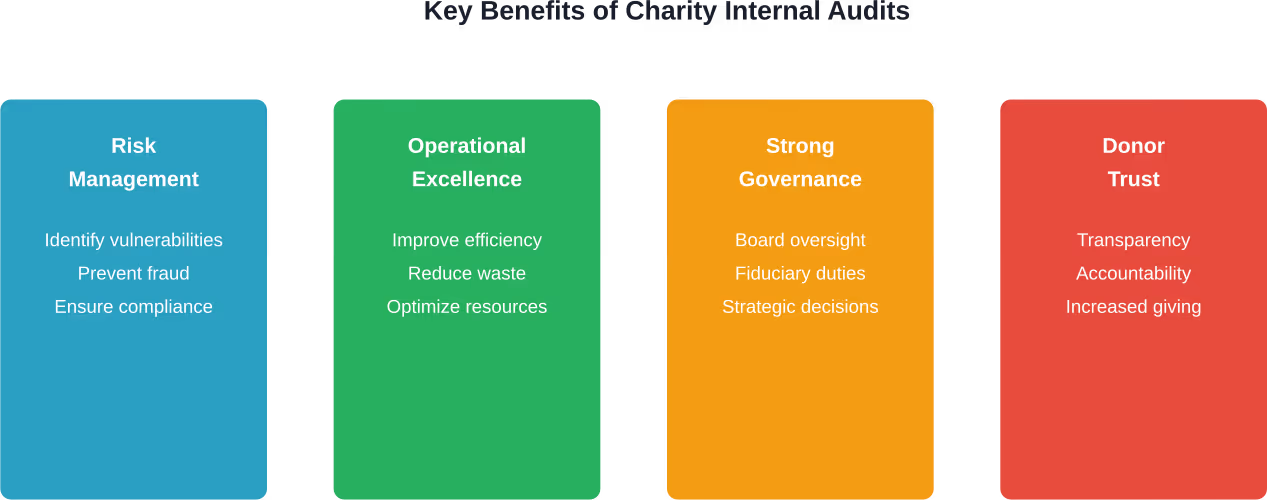
Internal audit services provide several critical benefits:
- Risk Identification and Mitigation: Auditors identify vulnerabilities before they escalate into crises. This proactive approach prevents fraud, misappropriation, and compliance violations that could threaten tax-exempt status.
- Operational Efficiency: Internal audits reveal process inefficiencies and resource waste. Organizations discover where mission dollars leak through poor controls or outdated procedures.
- Enhanced Governance: Board members fulfill fiduciary duties more effectively when equipped with comprehensive audit findings. Internal audits strengthen oversight and strategic decision-making.
- Donor Confidence: Transparent financial practices backed by independent audits build trust. Donors contribute more readily when assured their gifts are managed responsibly.
The Internal Audit Process for Nonprofits
Internal audit engagements follow structured methodologies tailored to nonprofit operations. The process typically unfolds in distinct phases.
Planning and Scoping
Auditors assess organizational structure, revenue sources, program activities, and existing controls. This phase identifies high-risk areas requiring focused attention. Organizations normally filing $50,000 or more in gross receipts must file Form 990 or Form 990-EZ, making accurate financial reporting critical.
Fieldwork and Testing
During field audits, revenue agents may conduct interviews and examine records, but since 2024, the IRS has significantly restricted unannounced field visits, transitioning primarily to scheduled appointments or correspondence-based evidence gathering for most exempt organizations.
Internal audit fieldwork similarly examines financial records, tests internal controls, and validates compliance with regulatory requirements.
Analysis and Reporting
Auditors compile findings into comprehensive reports highlighting strengths, weaknesses, and recommendations. These reports provide actionable insights for management and board members.
Follow-Up and Implementation
Effective internal audit programs include follow-up procedures ensuring recommended improvements get implemented. This ongoing cycle strengthens organizational resilience over time.
| Audit Phase | Key Activities | Typical Duration |
|---|---|---|
| Planning | Risk assessment, scope definition, resource allocation | 1-2 weeks |
| Fieldwork | Document review, control testing, interviews | 2-4 weeks |
| Reporting | Findings compilation, recommendation development | 1-2 weeks |
| Follow-Up | Implementation tracking, corrective action verification | Ongoing |
Selecting the Right Audit Partner
Not all audit firms understand nonprofit complexities. Charities need partners with specialized expertise in tax-exempt organizations.
Look for firms demonstrating:
- Deep nonprofit sector experience
- Understanding of Form 990 requirements
- Knowledge of intermediate sanctions and private foundation rules
- Familiarity with unrelated business income regulations
- Former IRS auditor expertise
Community discussions reveal that nonprofits struggle most with documentation issues, poorly labeled expenses, and confusing charts of accounts structures. The right audit partner addresses these common pain points proactively.

Get Your Charity Audit Right
Charity audits come with specific requirements around SORP, grant funding, and fund reporting. Acumon is an ICAEW and FRC-regulated audit firm in London, working with charities and not-for-profit organisations across the UK and internationally, with dedicated experience in charity audit, grant audit, independent examinations, and related VAT support.
Make Audit Clear from Day One
Acumon supports charities with audit and compliance across:
- Statutory charity audits aligned with Charity SORP and reporting requirements
- Support around restricted and unrestricted fund reporting
- Independent examinations where full audit is not required
Contact Acumon and get your charity audit handled properly.
Common Areas of Focus in Charity Audits
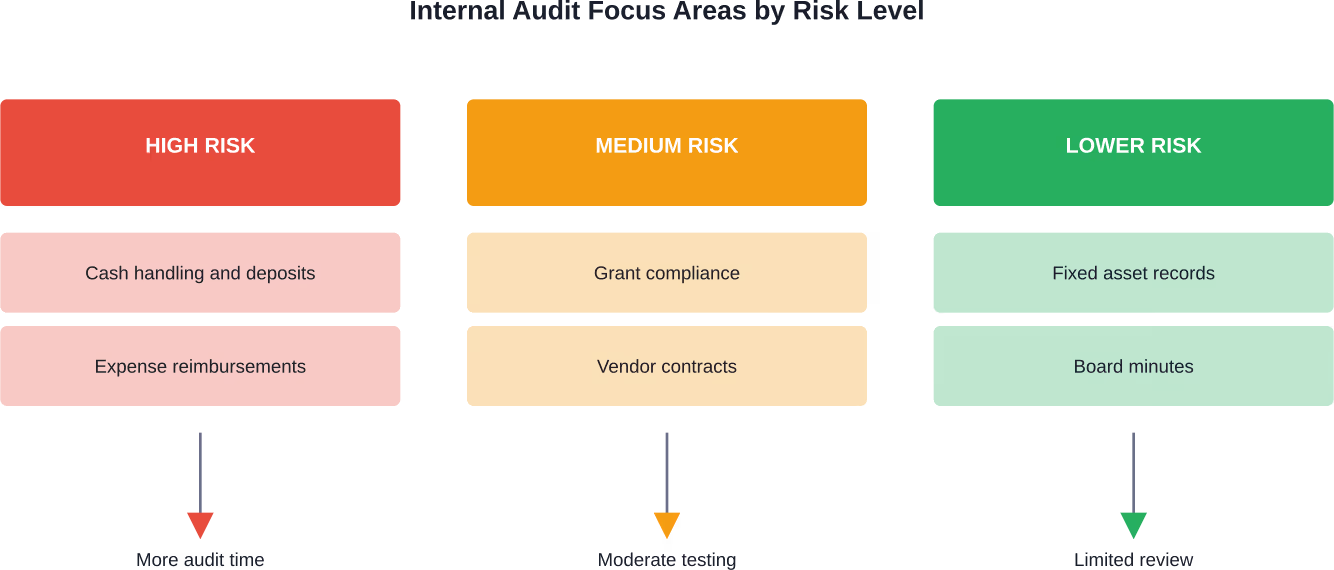
Internal auditors examine specific areas where nonprofits face heightened risk:
- Financial Controls: Segregation of duties, approval processes, reconciliation procedures, and cash handling protocols receive thorough review.
- Revenue Recognition: Donation tracking, grant accounting, and program service revenue classification must align with accounting standards and IRS requirements.
- Expense Allocation: Program, management, and fundraising expense categories require accurate classification for Form 990 reporting.
- Compliance Testing: Auditors verify timely filing of required returns, proper contractor classifications, and adherence to tax-exempt operational standards.
Preparing for a Successful Internal Audit
Organizations maximize audit value through proper preparation. Here's the thing though—most audit challenges stem from year-round practices, not last-minute scrambles:
- Maintain organized documentation systems throughout the fiscal year: This includes receipts, invoices, bank statements, grant agreements, and board resolutions.
- Implement clear expense coding procedures: Consistent chart of accounts usage prevents classification confusion during audits.
- Schedule regular financial reconciliations: Monthly bank reconciliations and quarterly financial reviews catch discrepancies early.
- Document internal control procedures: Written policies demonstrate intentional governance structures rather than ad hoc practices.
Building Lasting Organizational Strength
Charity internal audit services represent investments in organizational integrity, not merely compliance exercises. These services strengthen governance structures, enhance operational efficiency, and build stakeholder confidence.
The most effective nonprofits view internal audits as continuous improvement opportunities. Each audit cycle reveals insights driving better mission outcomes and stewardship practices.
Strong internal controls protect reputations built over years of dedicated service. Donors, grantmakers, and regulators reward organizations demonstrating financial accountability through transparent audit practices.
Organizations considering internal audit services should evaluate their current risk exposure, governance maturity, and stakeholder expectations. The right audit partner brings specialized nonprofit expertise, objective assessment, and practical recommendations tailored to organizational needs.
Don't wait for financial problems to emerge. Proactive internal audit programs identify vulnerabilities before they escalate into crises threatening mission delivery and stakeholder trust.
Frequently Asked Questions
Annual internal audits provide optimal oversight for most organizations. Larger charities or those experiencing rapid growth may benefit from semi-annual reviews. High-risk areas might warrant quarterly internal audit procedures.
Internal audits aren't legally required for most nonprofits, but they're strongly recommended. Organizations with significant operations, complex structures, or multiple funding sources gain substantial value from regular internal audit services.
External audits examine financial statements for accuracy and compliance with accounting standards. Internal audits assess broader operational effectiveness, risk management, and internal control systems. Many organizations conduct both types of audits.
Audit costs vary based on organizational size, complexity, and scope. Check with specialized nonprofit audit firms for current pricing.
Some organizations use internal staff for audit functions, but independence concerns arise. External audit firms provide objective perspectives free from organizational politics and relationships. Former auditors bring technical expertise internal staff may lack.
Audit findings present opportunities for improvement, not punishment. Auditors recommend corrective actions addressing identified weaknesses. Management implements changes, strengthening organizational operations going forward.
Complete internal audit engagements typically require several weeks from planning through final reporting. Complex organizations or those with significant findings may need additional time for thorough review and corrective action planning.