
Charity fraud services help organizations and donors protect against scams where criminals impersonate legitimate charities to steal money. These services include fraud reporting hotlines, verification tools from organizations like Charity Navigator and BBB, and government resources from the FTC and IRS. Effective protection requires using trusted verification platforms, recognizing common scam tactics, and reporting suspicious activity to appropriate authorities.
Americans donated approximately $471 billion to charities in 2021, according to Giving USA. But that generosity creates opportunities for scammers who set up fake charities or impersonate legitimate organizations.
Charity fraud services exist to combat this problem. They fall into two main categories: services that help donors verify legitimate charities before giving, and systems that allow reporting suspected fraud.
Verification and Rating Services
Several organizations provide free tools to research charities before donating. Charity Navigator rates nonprofits on financial health, accountability, and transparency. GuideStar offers access to IRS Form 990 filings and organizational profiles.
The BBB Wise Giving Alliance recommends that legitimate charitable organizations spend at least 65% of proceeds on program activities rather than overhead. These verification services help donors confirm whether charities meet this threshold.
Fraud Reporting Systems
The Federal Trade Commission maintains consumer complaint systems specifically for charity scams. According to the FTC, scammers often exploit disasters, including flooding in Texas to solicit fake donations.
The IRS accepts complaints about tax-exempt organizations through Form 13909 or via email to [email protected]. State attorney general offices also handle charity fraud complaints within their jurisdictions.
For organizations, confidential whistleblower reporting services allow employees to report internal fraud anonymously. These typically include 24-hour hotlines and secure online forms.
How to Report Suspected Charity Fraud
| Reporting Agency | Type of Fraud | How to Report |
|---|---|---|
| Federal Trade Commission | Consumer charity scams | ReportFraud.ftc.gov |
| IRS | Tax-exempt organization violations | Form 13909 or [email protected] |
| State Attorney General | State-level charity violations | State-specific complaint forms |
| FBI IC3 | Internet-based charity fraud | ic3.gov |
Prevention Strategies
The FTC recommends donating only to charities with proven track records. Research organizations before giving, and never respond to unsolicited donation requests via phone, email, or text.
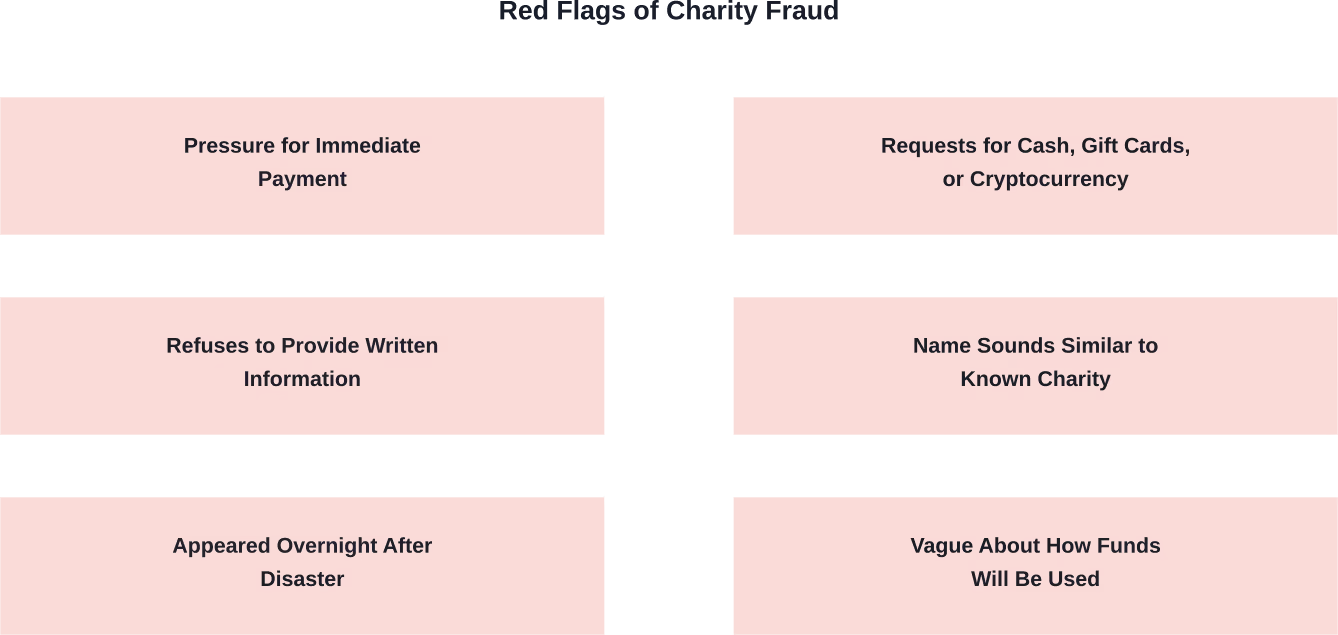
Legitimate charities accept checks made out to the organization's official name. They'll provide written information about their mission and how donations are used. Scammers often refuse these basic transparency measures.

Protect Your Charity From Fraud
Fraud in charities usually links to fund handling and reporting. It can affect restricted funds, grants, and trustee oversight. Acumon works with charities and not-for-profits, using audit and fund accounting experience to review how money is managed and where issues appear.
Identify and Address Charity Fraud Risks
Acumon provides clarity and control when fraud risks need to be addressed:
- Independent findings that trustees and stakeholders can rely on
- Evidence-based review aligned with audit standards
- Clear explanation of where and how issues occurred
- Practical guidance on preventing repeat issues
Speak with Acumon and take control of fraud risks.
FAQ
The BBB Wise Giving Alliance recommends that at least 65% of proceeds go to program activities rather than administrative costs and fundraising.
Check Charity Navigator, GuideStar, or the BBB Wise Giving Alliance. Verify the organization's tax-exempt status through the IRS Tax Exempt Organization Search tool.
According to the FTC, scammers typically ask for cash, gift cards, cryptocurrency, or wire transfers because these payments can't be reversed or traced easily.
Charity fraud spikes after natural disasters and during holiday giving seasons. Scammers exploit people's desire to help during crises.
Report to the FTC at ReportFraud.ftc.gov, your state attorney general's office, and the IRS if tax-exempt status is being misused.
Yes, but legitimate charities will provide written information upon request, accept checks, and never pressure immediate payment by untraceable methods.
Legitimate organizations provide their full legal name, EIN number, mission statement, and detailed information about how donations are used. They should have publicly available financial statements.